

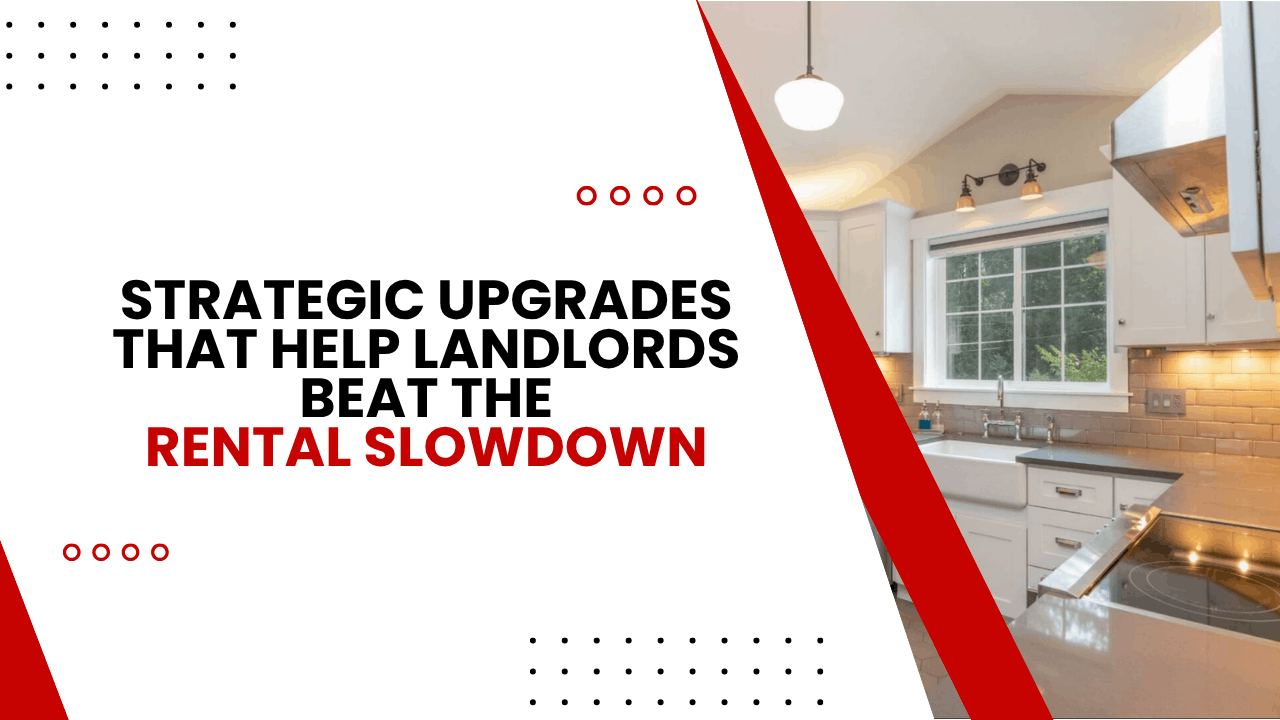
What kind of upgrades will help your rental property perform well, even if the Hampton Roads rental market slows down?
All rental markets are cyclical, and periods of high demand and rapid rent growth are often followed by slowdowns marked by longer vacancy periods, increased competition, and more price-sensitive tenants. For rental property owners, the difference between weathering a slowdown and struggling through it often comes down to one factor: strategic investment.
Not all upgrades are created equal. In a softening market, landlords who focus on targeted, cost-effective improvements that directly impact tenant decision-making can maintain occupancy, justify rent levels, and protect long-term asset value. At Doud Realty Services, we are providing practical, data-driven upgrade strategies designed to help landlords stay competitive during a rental slowdown.
Quick Summary:
|
Understanding the Rental Slowdown Dynamic
Are we calling this a slowdown? There’s healthy competition for good tenants. Rents are stabilizing. We’re still operating in a strong market, but many owners in Hampton Roads are finding themselves working a little harder for their rents and in order to attract tenants. So, let's talk about what’s changed and why it matters.
Tenants have more options and take longer to decide on a home to rent
Price sensitivity increases, even among higher-income renters who are looking for value
Expectations rise, leading tenants to compare features more closely
Time-on-market increases, raising holding costs
In this environment, the goal is not necessarily to outspend competitors but to out-position them with intentionally selected upgrades.
Focus on “Decision-Making” Upgrades
How do tenants choose a rental property?
It’s rarely based on one major feature alone. Instead, they make decisions based on a combination of perceived value, comfort, and convenience. The most effective upgrades are those that influence this perception immediately. High-impact, moderate-cost improvements that make the most sense include:
Fresh, neutral interior paint (warm whites, light grays)
Updated lighting fixtures (especially kitchens and living areas)
Modern cabinet hardware and door handles
Refinished or replaced flooring (LVP is especially popular)
These improvements create a move-in ready feel, which reduces hesitation and shortens vacancy time.
Upgrade Kitchens Without Full Renovations
Kitchens remain one of the most influential spaces in rental decision-making, but full remodels are often unnecessary and cost-prohibitive during a slowdown. Strategic kitchen enhancements include:
Replace outdated countertops with durable, mid-range materials
Paint or refinish existing cabinets instead of replacing them
Install a modern backsplash for visual appeal
Upgrade to matching (not necessarily premium) appliances
The goal is to create a cohesive, updated look rather than a luxury transformation.
Improve Energy Efficiency (and Market It Clearly)
With rising utility costs, tenants increasingly prioritize energy-efficient homes. Even modest improvements can become strong leasing advantages when properly communicated. Practical upgrades include:
LED lighting throughout the unit
Programmable or smart thermostats
Weatherstripping and improved insulation
Energy-efficient windows (where feasible)
These upgrades not only reduce tenant costs but also differentiate your property in listings, especially when you highlight estimated savings.
Add In-Unit Laundry Where Possible
In many Hampton Roads submarkets, in-unit laundry has shifted from a luxury to an expectation. If space and infrastructure allow, install a stackable washer/dryer unit and convert underutilized closets or utility areas. Even if rent cannot be significantly increased, properties with in-unit laundry often lease faster, attract more qualified tenants, and experience lower turnover rates.
Enhance Outdoor and Shared Spaces
Hampton Roads renters often value outdoor access due to the region’s climate and lifestyle. Even small outdoor upgrades can significantly boost appeal. Our most cost-effective recommendations include:
Clean, landscaped entryways
Defined patio or balcony areas
Outdoor lighting for safety and ambiance
Simple seating or grilling spaces (for multi-family units)
These features contribute to lifestyle value, which becomes more important when tenants are comparing similar-priced options.
Invest in Durability, Not Just Appearance
During a slowdown, turnover can increase. This makes durability just as important as aesthetics. Make smart material choices, such as luxury vinyl plank (LVP) instead of carpet. Semi-gloss or satin paint for easier cleaning is a good investment, and we recommend quartz or solid-surface countertops over laminate. Commercial-grade fixtures in high-use areas also make sense.
Durable upgrades reduce maintenance costs and minimize downtime between tenants.
Upgrade Curb Appeal Strategically
First impressions matter even more when competition increases. Prospective tenants often decide whether to schedule a showing within seconds of seeing a listing or driving by. Make exterior improvements that will get their attention and improve your own property value. Consider:
Pressure washing siding and walkways
Repainting front doors and trim
Updating house numbers and mailbox
Adding low-maintenance landscaping
These upgrades are relatively inexpensive but can significantly improve rental value.
Offer Tech-Friendly Features in Hampton Roads Rentals
Modern renters, especially younger professionals and military personnel common in Hampton Roads, value convenience and connectivity. Offer practical tech additions such as:
Smart locks or keyless entry
High-speed internet readiness (or partnerships with providers)
USB outlets in key areas
Video doorbells (where appropriate)
These features often have low installation costs but high perceived value.
Reevaluate Amenities vs. Rent Pricing
In a slowdown, adding value can sometimes be more effective than lowering rent. Instead of cutting the price, include internet or lawn care and offer flexible lease terms. Provide small move-in incentives or lease renewal incentives.
Strategic upgrades combined with thoughtful incentives can preserve your overall revenue while improving occupancy rates.
Prioritize Professional Presentation
Even the best upgrades won’t perform if they’re not presented effectively. Your marketing needs to be on point, and that’s where professional property management partnerships can be especially valuable. We’re going to focus on professional photography and invest in clean, staged interiors. You’ll have access to clear, benefit-focused listing descriptions.
It’s more important, in this market, to highlight upgrades explicitly in order to attract tenants. Consider phrasing such as:
“Energy-efficient LED lighting throughout”
“New LVP flooring installed in 2025”
“Modernized kitchen with updated appliances”
This ensures prospective tenants recognize the value you’ve added.
Do You Know Your Submarket?
Hampton Roads is not a uniform market. Demand drivers vary across neighborhoods depending on proximity to bases, shipyards, universities, and waterfront areas.
Before investing:
Analyze comparable listings in your immediate area
Identify which features are standard vs. differentiators
Avoid over-improving beyond what the market supports
Strategic upgrades should align with local tenant expectations, not just general trends.
Timing Matters: Upgrade During Vacancy
Whenever possible, complete upgrades during natural vacancy periods. This avoids lost rental income from mid-lease renovations and tenant disruption and dissatisfaction. Plan improvements proactively based on lease expirations and seasonal demand trends.
The Market Matters, Too
One of the biggest risks during a slowdown is overspending on upgrades that don’t generate proportional returns.
General Guidelines:
Focus on improvements visible in photos and showings
Avoid luxury upgrades in mid-market properties
Track cost vs. rent impact for each upgrade
The goal is incremental advantage, not perfection.
Think Long-Term Asset Positioning
While short-term occupancy is critical, upgrades should also support long-term property value. Well-chosen improvements extend the lifespan of key systems and reduce maintenance variability. You’ll improve resale or refinancing potential.
FAQs
1. What is the most cost-effective upgrade during a rental slowdown?
Fresh paint, updated lighting, and minor kitchen improvements typically offer the highest return relative to cost. These upgrades significantly improve first impressions without requiring major capital investment.
2. Should I lower rent or invest in upgrades?
In many cases, modest upgrades combined with strong presentation can help you maintain rent levels. Price reductions should be a last resort after evaluating competitive positioning.
3. How do I know if an upgrade is worth it?
Compare the cost of the upgrade to:
Potential rent increase
Reduced vacancy time
Lower maintenance costs
If the combined benefit outweighs the cost over a reasonable timeframe (typically 1–3 years), it’s likely a sound investment.
4. Are smart home features really necessary?
They are not strictly necessary, but they can provide a competitive edge—especially in markets with younger or tech-oriented renters. Low-cost options like smart locks often deliver strong perceived value.
5. How often should I update my rental property?
Cosmetic updates (paint, fixtures) every 3–5 years are typical. Larger upgrades should be evaluated based on wear, market expectations, and return on investment.
Rental slowdowns test operational discipline. Landlords who invest strategically by focusing on tenant priorities, cost efficiency, and market alignment can maintain strong performance even in softer conditions.
 Let’s take a look at your specific property and discuss the upgrades that will matter most. Please contact us at Doud Realty Services, Inc. We provide expert property management in Norfolk, Portsmouth, Hampton Roads, as well as surrounding areas such as Virginia Beach, Suffolk, Chesapeake, and Newport News.